
Earn 4% APY* with an InRoads Smart Start Savings account.
Earn 4% APY* with an InRoads Smart Start Savings account.
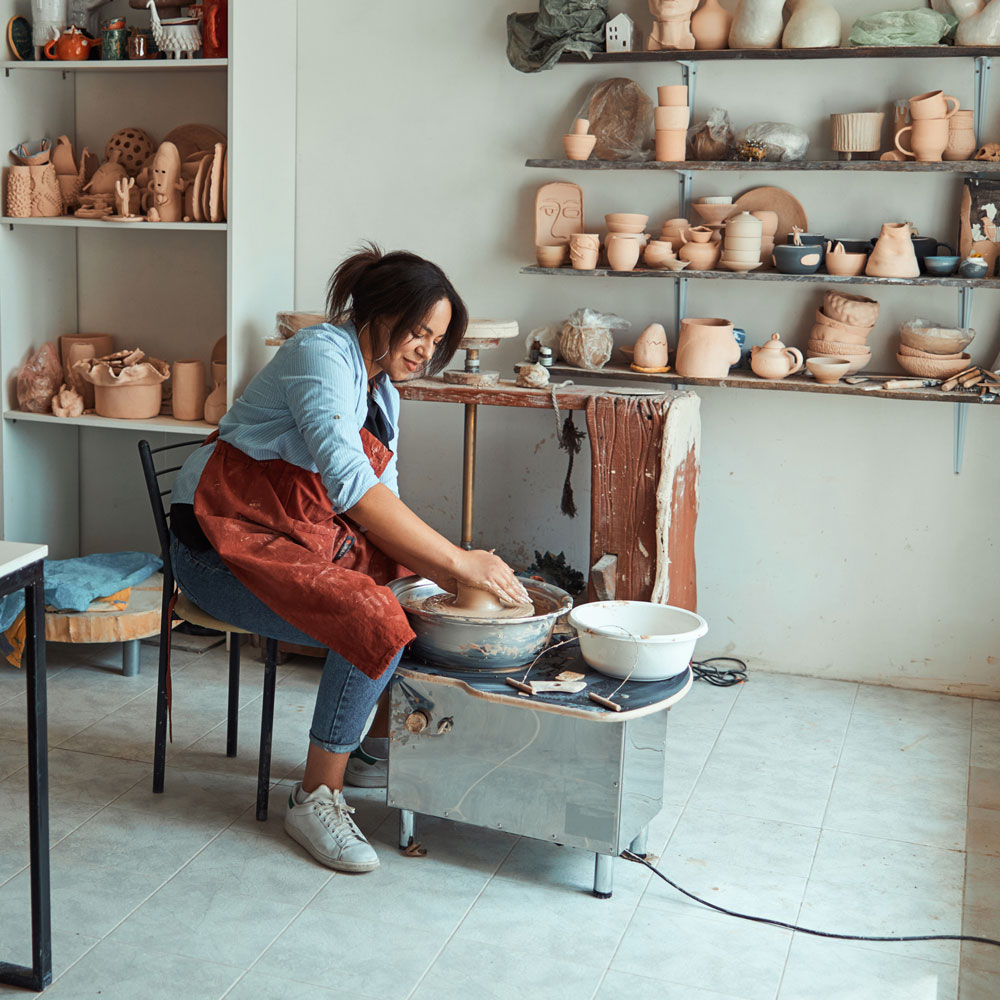
Everything you need to turn your Side Hustle into a main character!
Send and receive money with Zelle®

Find out about the latest scams

Becoming a member is easy!
INtroducing: The Side Hustle Business Bundle
Giving entrepreneurs the legit tools, confidence, and financial setup to grow on their terms.
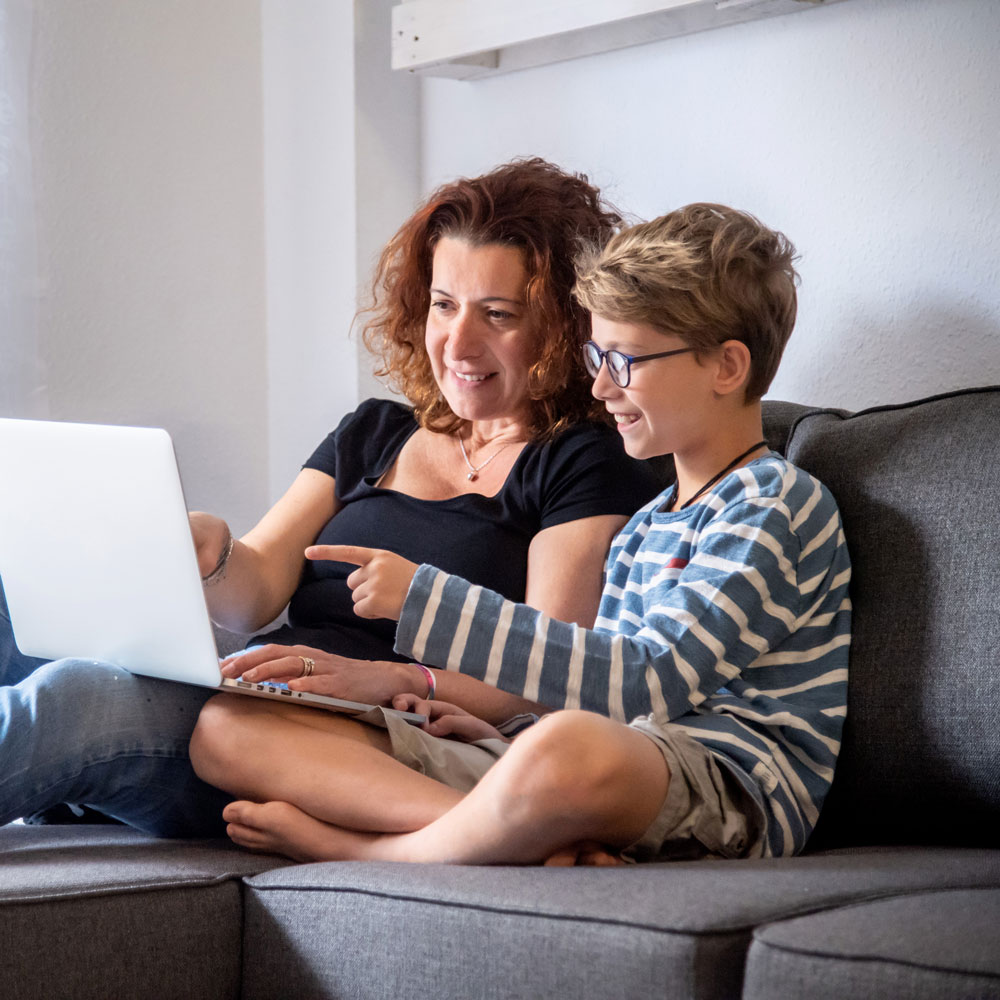
Every February, Safer Internet Day, which falls on February 10th this year, encourages families to talk about how to use the internet safely and responsibly. For parents, online safety goes beyond screen time—it’s about helping kids protect themselves and their personal information, avoid scams, and build healthy digital habits that grow with them.
As children begin using devices at younger ages, online safety conversations should evolve right along with them.
Children and teens may not recognize online risks such as:
These risks can lead to identity theft, unexpected charges, or long-term digital footprints.
At this age, kids are learning basic rules and routines.
Parent tip: Keep rules simple and consistent.
Tweens begin exploring games, messaging, and social platforms.
Parent tip: Ask open-ended questions about what they play and watch.
Teens are more independent online and managing their own digital identity.
Parent tip: Focus on guidance, not control - trust builds better habits.
Online safety is closely tied to financial education. Parents can:
These conversations help children grow into financially confident and cautious adults. For more helpful strategies on keeping your kids cyber-safe, check out this article.
InRoads Credit Union is committed to helping families protect what matters most. This Safer Internet Day, take time to talk with your children about their online habits and help them build skills that support both their digital and financial well-being.

For more info about fraud prevention and safe banking, visit our Fraud Prevention page.
Invested, innovative, and here for you and our community.
