
Earn 4% APY* with an InRoads Smart Start Savings account.
Earn 4% APY* with an InRoads Smart Start Savings account.

Everything you need to turn your Side Hustle into a main character!

Send and receive money with Zelle®

Find out about the latest scams

Becoming a member is easy!
INtroducing: The Side Hustle Business Bundle
Giving entrepreneurs the legit tools, confidence, and financial setup to grow on their terms.
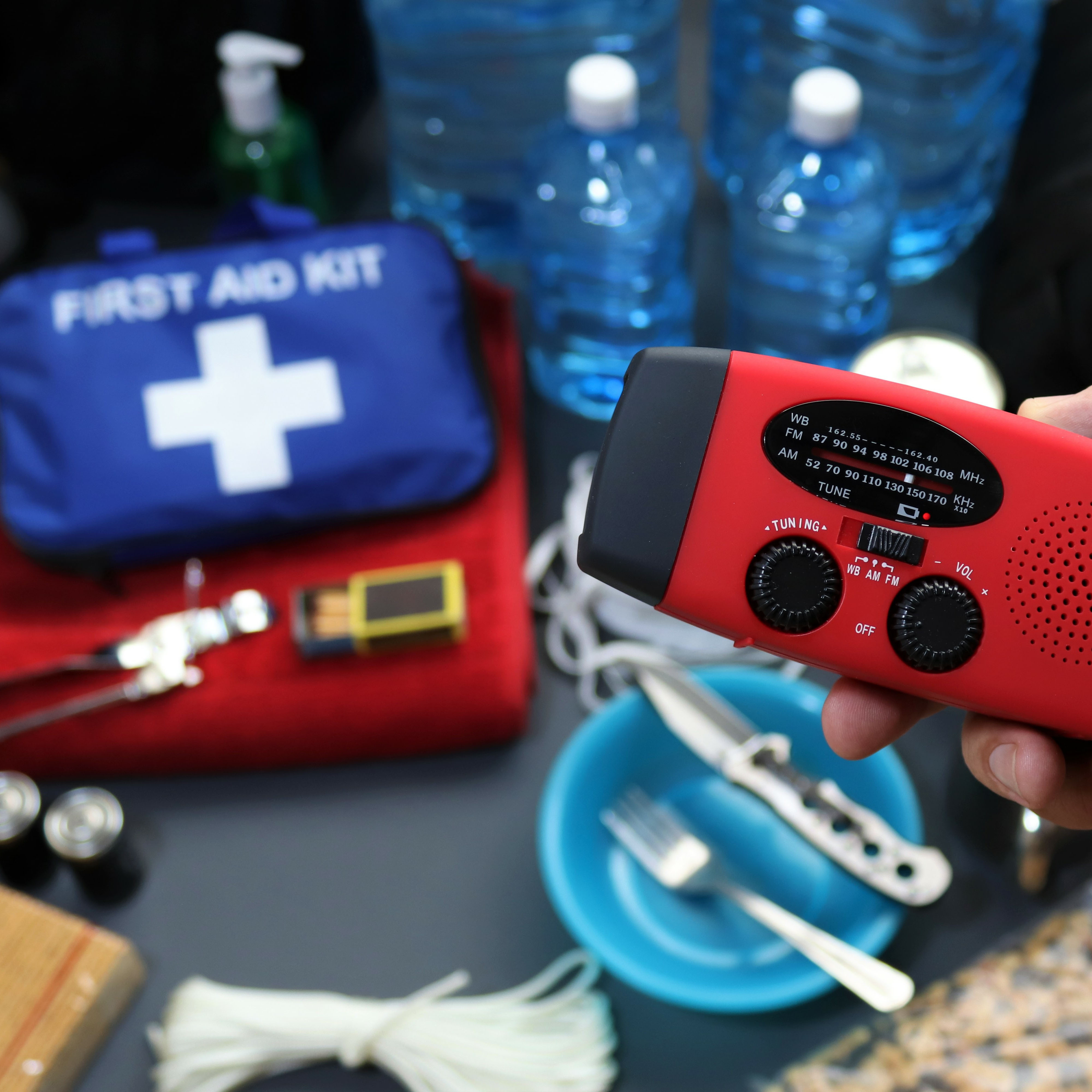
September is National Preparedness Month, a good reminder that emergencies don't usually give us much warning.
A power outage. A wildfire. A winter storm. A flood. An earthquake. Even a smaller emergency that affects only your household can suddenly change your plans—and your finances.
That's why being prepared isn't only about having flashlights, bottled water and extra batteries. Financial preparedness matters, too.
According to Ready.gov, some of the most important steps you can take before an emergency include understanding the risks you may face, making a family emergency plan and building an emergency supply kit.
But there's another important piece of that plan: making sure your finances are prepared for the unexpected.
Here are some steps you can take now to help your household be ready.
Emergency preparedness doesn't look exactly the same for every household.
Start by thinking about the types of emergencies that could affect where you live, work and travel. Then talk as a family about what you would do.
Where would you meet if you couldn't return home? How would you contact one another if cell service was disrupted? Where would you go if you needed to evacuate? Who would be responsible for pets, medications or important supplies?
Ready.gov recommends creating a family emergency plan before you need one.
Write your plan down, make sure everyone knows where to find it and revisit it periodically as your family's needs change.
You probably already know some of the basics: water, nonperishable food, flashlights, batteries, first-aid supplies and necessary medications.
But don't forget about the financial items you might need during an emergency.
Consider adding a small amount of cash in a variety of denominations to your emergency kit. During an extended power outage or other disruption, ATMs and card-processing systems may not be available.
You may also want to keep copies of important phone numbers and other information you would normally rely on your phone to provide.
The goal isn't to prepare for every possible scenario. It's to have enough essentials available to get your household through a disruption safely and comfortably.
An emergency supply kit helps with immediate needs. An emergency fund can help with what comes next.
Unexpected expenses can pile up quickly during an emergency. You might need to pay for a hotel, replace spoiled groceries after an extended power outage, cover an insurance deductible, repair a vehicle or miss work.
Having money specifically set aside for the unexpected can give you more options when something goes wrong.
If you don't have an emergency fund yet, don't let a big savings goal keep you from starting.
Start with what you can afford—even a small automatic transfer every payday. Your first goal might be $250 or $500. Once you reach it, keep going.
Preparedness isn't about having everything perfectly in place. It's about being more prepared tomorrow than you are today.
If you suddenly had to leave your home, would you know where to find your insurance information, identification and important financial documents?
Consider gathering copies of essential documents such as:
● Identification
● Insurance policies
● Property records
● Important financial account information
● Medical and prescription information
● Emergency contact information
Store paper documents somewhere protected from water and fire when possible. You can also create secure, password-protected digital copies of documents you may need to access away from home.
Be thoughtful about what you store and where. Documents containing sensitive personal or financial information should always be properly secured.
Imagine trying to remember everything in your home after a fire, flood or other disaster.
That's a difficult task under the best circumstances.
Take photos or video of your home and belongings and keep the inventory somewhere secure. Include valuable items and, when practical, model numbers, serial numbers, receipts or other documentation.
This information may be helpful when working with your insurance company after a loss.
While you're at it, review your insurance coverage. Make sure you understand what your policies cover—and what they don't.
An emergency isn't the time to discover you've forgotten your Digital Banking password or haven't updated your phone number.
Take a few minutes to make sure your financial information is current.
Know how to access your accounts remotely, keep your contact information updated and monitor your accounts during and after an emergency.
It's also a good idea to know how you would contact your financial institution if your usual method wasn't available.
Having multiple ways to access important financial information can make an already stressful situation a little easier to manage.
Unfortunately, emergencies can create opportunities for scammers.
Be cautious of unexpected calls, texts or emails asking for money or personal information, particularly messages claiming you need to act immediately.
If someone says they're from a government agency, financial institution, insurance company or charitable organization, don't rely solely on the contact information they provide.
Take a moment to independently verify who you're dealing with before sending money or sharing personal or financial information.
The urgency of an emergency is exactly what scammers may try to use against you.
Visit the InRoads Fraud Prevention Library for more information about recognizing scams and protecting your personal and financial information.
Preparedness works best when everyone knows what to do.
Talk with children in an age-appropriate way about your family's emergency plan. Include older family members and anyone who may need additional assistance. And don't forget to make arrangements for pets.
Consider people outside your household, too.
Is there a neighbor who might need help during an extended power outage? Does someone nearby have equipment or skills your household might need? Could you help one another?
Prepared communities start with prepared households.
It's easy to put emergency preparedness on the "someday" list.
National Preparedness Month is a good reason to move just one thing off that list.
You don't have to build the perfect emergency kit, fully fund six months of expenses and organize every important document this weekend.
Start with one step.
Put $25 into emergency savings. Buy an extra case of water. Take photos of the rooms in your home. Gather your insurance information. Talk with your family about where you'd meet in an emergency.
Then take another step next week.
At InRoads Credit Union, we believe financial wellness includes being prepared for the things you can't plan for. Building savings, protecting your financial information and knowing how to access your money can help give you more confidence when the unexpected happens.
This National Preparedness Month, take a little time to prepare today—so you can spend less time figuring things out when tomorrow doesn't go according to plan.
For more info about finances, including budgeting, saving, and financial planning, visit our Financial Education Resources page.
Invested, innovative, and here for you and our community.
